What we doFive crafts. One set of eyes on all of them.
Brand identity
Brands should feel inevitable, not invented.
[- Approach -]
We don’t start with a mood board. We start by asking what your company believes that a competitor can’t copy. Once we find it, we build the system around it: strategy, marks, type, color, and rules sturdy enough to hold up everywhere, from a pitch deck down to a favicon.
[- Outcome -]
A brand people trust before the demo even loads, and one that stays itself no matter who on your team is using it.
[- What you get -]
- Logo & marks
- IPs & mascots
- Brand strategy
- Visual identities
- Brand guidelines
- Deck templates
Product design
Your first five minutes, fully considered.
[- Approach -]
We design the product, not a pile of screens. Flows, states, components, and tokens get worked out together from the first day. Your engineers can open the Figma file anytime, and we make every call with the build in mind, so nothing gets lost at handoff.
[- Outcome -]
A product that feels obvious to use, on a system your team can keep building on.
[- What you get -]
- Product UI & UX
- SaaS & dashboards
- Design systems
- Prototypes & user flows
- Mobile apps
Design engineering
What ships matches what was designed.
[- Approach -]
Details tend to die at the handoff, so we work on both sides of it. When precision matters, we build the front end ourselves. That way the motion, the micro-interactions, the responsive behavior, and the last pixel all reach production the way they were meant to.
[- Outcome -]
What your users touch is the same thing you signed off on.
[- What you get -]
- Design systems in code
- Micro-interactions & motion
- Production front-ends
- WebGL & creative dev
Websites
The site is the demo now.
[- Approach -]
A good site isn’t copy, then design, then motion, then code, stacked in that order. It’s one argument made four ways. We work on the story, the type, the interactions, and the build at the same time, so the page reads like someone meant it and runs as well as the product behind it.
[- Outcome -]
A site that makes the right people stop, get it, and remember it, on a codebase your team won’t dread touching.
[- What you get -]
- Next.js sites
- Framer sites
- Landing pages
- SEO & GEO
- CMS & blogs
Motion & launch
A launch should feel like an arrival.
[- Approach -]
We make launch motion out of the product itself, never stock footage pretending to be it. Real UI, frames planned on purpose, pacing cut for the moment, and a version for each channel. The film and the product should look like the same hands made them.
[- Outcome -]
A launch people watch twice, because the product finally looks as considered as it feels.
[- What you get -]
- Motion videos
- Launch films
- Social assets
- Posters & banners
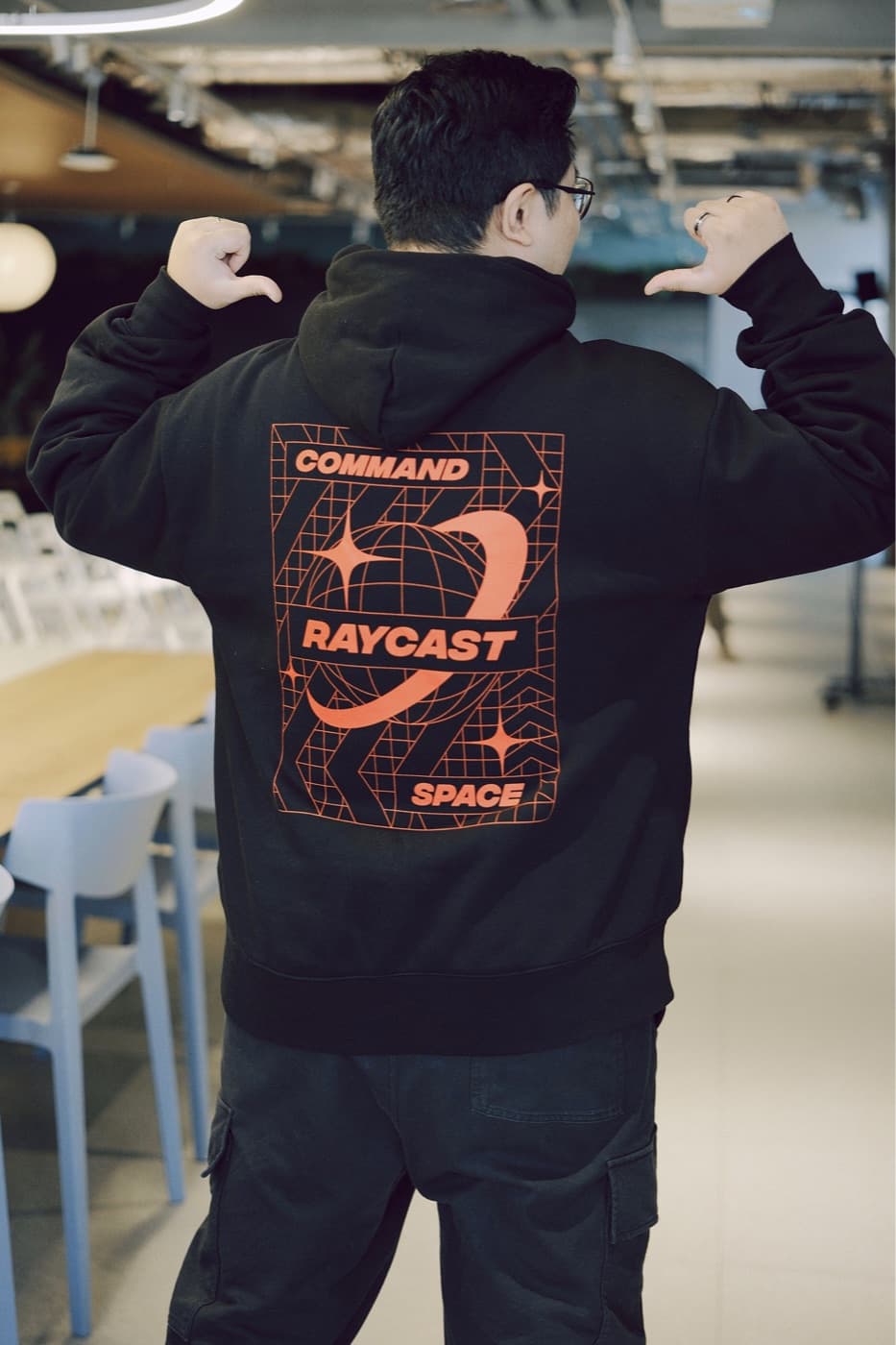
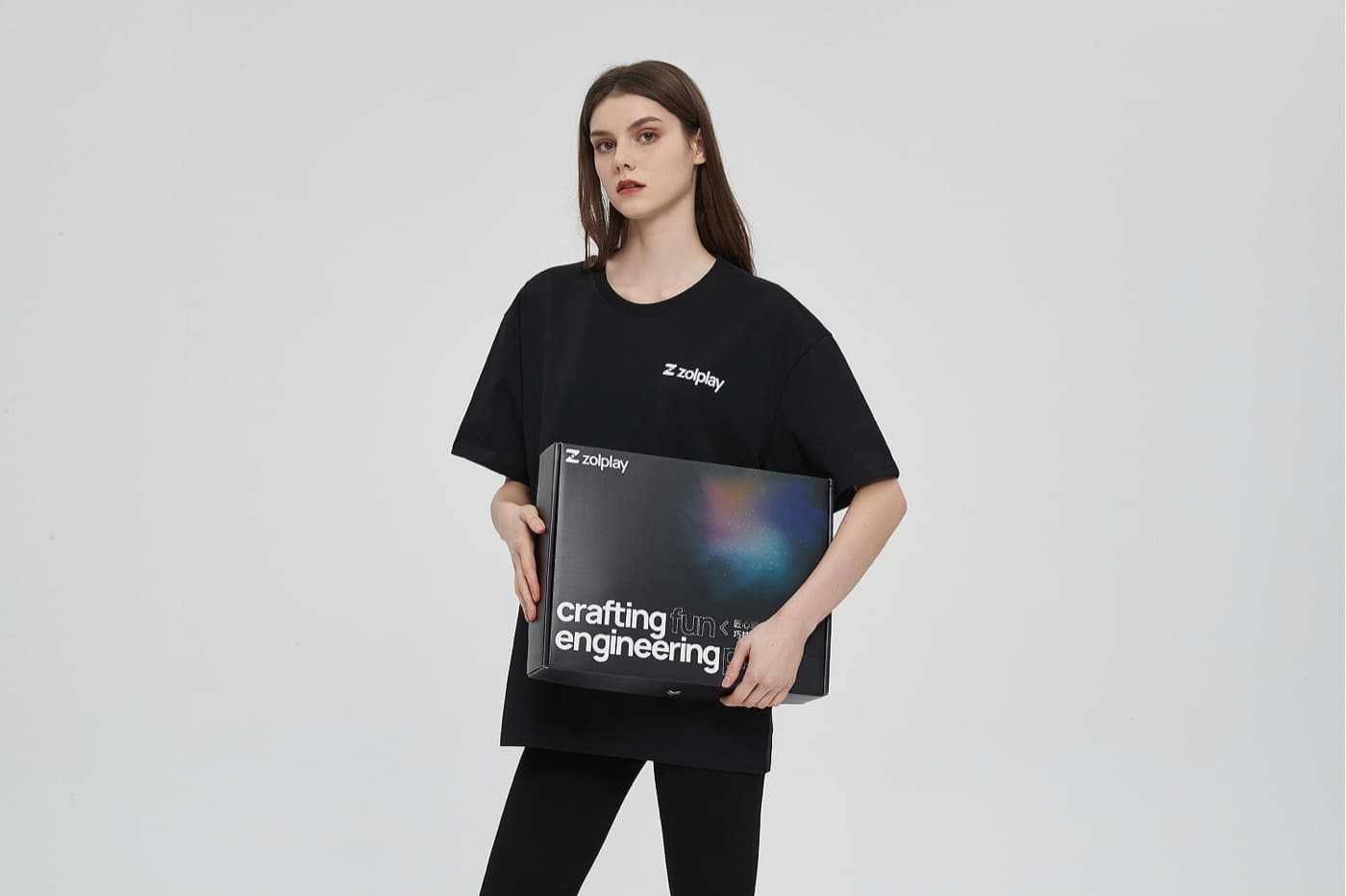
- Merch & swag
Two ways in
Keep us close for the long run, or bring us in for one clear finish line. Either way, the standard is the same.
Embedded
Close enough to know the product. Senior enough to move it.
- The work lands in your codebase, not a deck
- In your standups and Slack, close enough to know why
- Each week begins with the context from the last
- A cadence that flexes with your roadmap
[- RATE CARD — EMBEDDED -]
- One request a week$5,000/mo
- Two requests a week$7,000/mo
- Multiple requests in parallel$9,000/mo
- Pause when needed, resume when ready
- No minimum term
- Work ships into your codebase
- Start within a week
A request is one clearly-scoped, shippable piece of work: a screen, a flow, a component, or a fix. Anything bigger gets broken down together.
Let’s talkProject
One clear finish line. One price. No handoff in between.
- Scope, timeline, and price settled before we begin
- Visible progress every weekday, starting on day one
- Design and build held together from start to finish
- Your team can keep running it after we leave
[- RATE CARD — PROJECT -]
Engagements start at $15,000.
- Fixed scope, timeline, and price
- Typically 2–6 weeks
- Daily progress on weekdays
Five crafts. One set of eyes on all of them.
Let’s talk